
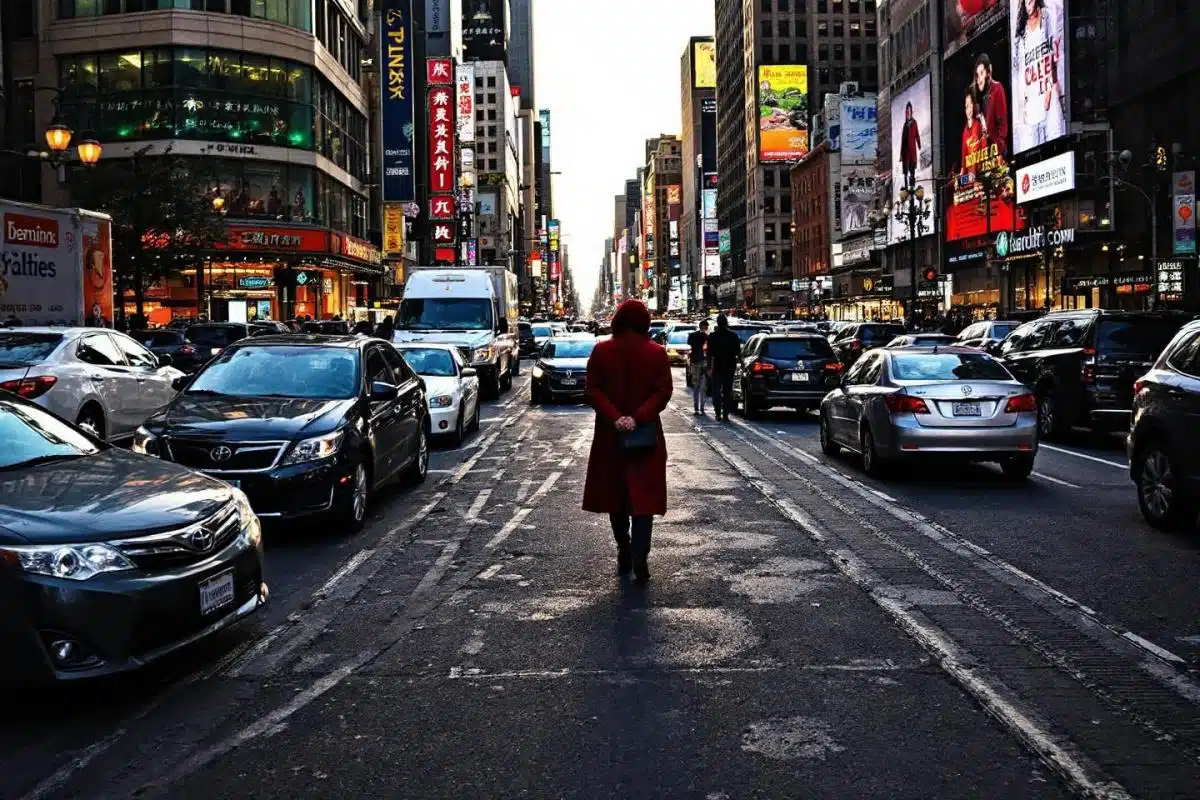
Standing among hundreds of people at a crowded event, you might expect to feel connected and energized by the collective human presence. Instead, you find yourself experiencing an overwhelming sense of isolation and disconnection. This paradoxical phenomenon affects millions of individuals worldwide, creating a profound emotional disconnect despite being physically surrounded by others.
The experience of feeling lonely in crowded spaces represents one of modern society’s most perplexing psychological challenges. Unlike traditional solitude, this type of loneliness emerges specifically when we’re immersed in social environments where connection should theoretically flourish. Understanding the underlying mechanisms behind this experience reveals fascinating insights into human psychology and our evolving relationship with social interaction.
Understanding the psychology behind social isolation
The root causes of feeling lonely in crowds stem from fundamental psychological processes that govern how we form meaningful connections with others. Research in social psychology demonstrates that mere proximity to people doesn’t automatically generate feelings of belonging or connection. Instead, our brains require specific conditions to establish genuine social bonds.
Quality versus quantity plays a crucial role in this phenomenon. When surrounded by numerous unfamiliar faces, our cognitive systems struggle to process meaningful social cues from each individual. The sheer volume of potential interactions creates a paradoxical effect where having too many options leads to no meaningful choices at all.
Social comparison theory further explains why crowded environments can intensify loneliness. In large gatherings, we naturally observe others who appear more socially connected, confident, or engaged. These observations trigger internal comparisons that often leave us feeling inadequate or disconnected from the apparent social harmony around us.
| Psychological Factor | Impact on Social Connection | Manifestation in Crowds |
|---|---|---|
| Cognitive Overload | Reduces ability to process social cues | Difficulty engaging meaningfully |
| Social Comparison | Creates feelings of inadequacy | Observing others’ apparent connections |
| Authenticity Concerns | Prevents genuine self-expression | Wearing social masks in public |
The concept of authentic self-presentation becomes particularly challenging in crowded settings. Many individuals feel compelled to maintain carefully curated personas when surrounded by strangers, preventing the vulnerability and authenticity necessary for genuine connection. This internal conflict between our true selves and our public presentation creates emotional distance even when physically close to others.
Social overstimulation and emotional overwhelm
Modern crowded environments subject our nervous systems to unprecedented levels of stimulation that can quickly overwhelm our capacity for meaningful social engagement. The human brain evolved to handle social groups of approximately 150 individuals, known as Dunbar’s number, yet contemporary gatherings often exceed this limit by hundreds or thousands.
This overstimulation manifests through multiple sensory channels simultaneously. Visual bombardment from countless faces, body language, and environmental details competes for attention with auditory chaos from overlapping conversations, background music, and ambient noise. The result is sensory overload that triggers our fight-or-flight response rather than social bonding mechanisms.
Individuals with high intellectual capacity often experience this overstimulation more intensely due to their heightened sensitivity to environmental stimuli. Este hábito silencioso lo tienen en común las personas con alto coeficiente intelectual, según expertos highlights how intelligent individuals often develop specific coping mechanisms for managing overwhelming social situations.
The neurological impact of overstimulation creates several measurable effects on our social functioning :
- Reduced empathy processing : Overwhelmed neural networks struggle to interpret others’ emotional states accurately
- Impaired decision-making : Excessive stimulation depletes cognitive resources needed for social choices
- Heightened anxiety responses : Stress hormones interfere with natural social bonding chemicals like oxytocin
- Attention fragmentation : Inability to focus deeply on individual interactions prevents meaningful connections
These physiological responses explain why many people report feeling mentally exhausted after spending time in crowded environments, even when no significant social interaction occurred. The brain’s attempt to process overwhelming social information consumes enormous energy reserves, leaving little capacity for genuine emotional connection.
Breaking free from crowd-induced loneliness
Practical strategies exist for overcoming the paradox of feeling isolated while surrounded by others. The key lies in understanding that meaningful connection requires intentional effort and specific conditions rather than passive exposure to large groups of people.
Developing selective attention skills allows individuals to filter overwhelming social stimuli and focus on quality interactions. This involves consciously choosing to engage with one or two individuals rather than attempting to connect with everyone present. By narrowing our social focus, we create space for deeper, more meaningful exchanges that combat loneliness effectively.
Creating micro-connections represents another powerful approach to addressing crowd-induced isolation. These brief but genuine interactions with strangers—such as sharing a smile, offering help, or making casual conversation—can provide emotional sustenance without requiring extensive social energy. Research demonstrates that even minimal positive social contact can significantly improve mood and reduce feelings of loneliness.
Environmental modification strategies help manage overstimulation while maintaining social engagement. Seeking quieter areas within crowded spaces, taking regular breaks from intense social environments, and using grounding techniques can preserve our capacity for authentic connection. These approaches acknowledge our biological limitations while maximizing opportunities for meaningful social interaction.
Understanding that feeling lonely in crowds represents a normal human response to overwhelming social conditions can itself provide relief. This knowledge reduces self-judgment and creates space for developing more effective coping strategies. Rather than viewing this experience as a personal failing, we can recognize it as a natural consequence of modern social environments that exceed our evolutionary adaptations.

